Developer to Donate Land, Playground for New Park in Tinley Park
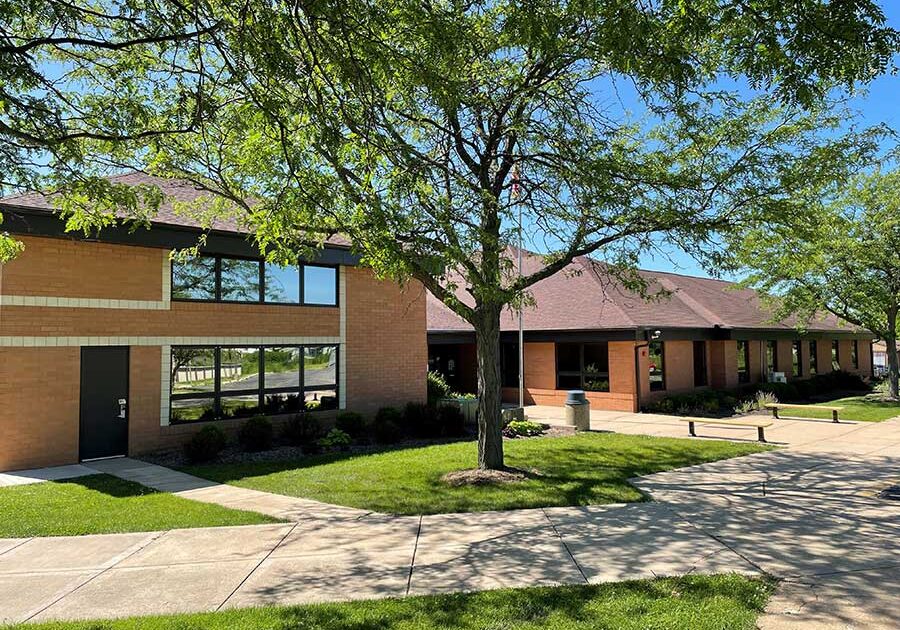
A new park is coming to a Tinley Park development thanks to a land and equipment donation from a local home builder.
Frank Bradley, owner of Crana Homes, is donating land and purchasing playground equipment to construct a small park in the new Brookside Glen Villas development, located at 191st Street and 80th Avenue. Park District Executive Director Audrey Marcquenski met with Bradley to discuss the project and announced the plan at the June 12 board meeting. The playground is expected to be installed next year.
Marcquenski praised the developer’s long history of generosity toward the community.
“Ms. Marcquenski noted that Frank Bradley and Eamon Malone of Malone and Moloney, have far exceeded the Park District’s land donation ordinance requirements throughout Brookside Glen over the years,” the meeting minutes stated.
The donation allows the park district to add a new amenity for residents in the growing area without incurring the primary costs of land acquisition and equipment.
In other financial news, Marcquenski reported the district received a Will County tax distribution of $1,315,111.30 on June 12.




Showers And Thunderstorms
Latest News Stories

Meeting Summary and Briefs: Joliet Junior College Board of Trustees for February 18, 2026

Meeting Summary and Briefs: Will County Executive Committee for February 11, 2026

Advisory Committee Debates Rigor of Online Summer School Options

Group Presents Allegations of 2024 Voter Roll Errors to County Board

Will County Board Advised on Strict “Judicial” Role Ahead of Landfill Expansion Application

Ad-Hoc Committee: Bath House Regulations Updated; Removes 60-Day Licensing Window

Land Use Committee Rejects Shorewood Solar Farm Despite 25-Year Lease Offer
Trustees Renew Federal Lobbyist Contract Following $800,000 Funding Win
Executive Committee Advances $28.7 Million BNSF Bridge Project for Lorenzo Road
Land Use Committee: ‘Clean Fill’ Proposal Stalls After Unauthorized Tree Removal Sparks Environmental Concerns
Contracts Approved for New West Principal and District Technology Director

ALEC urges states to adopt ‘light-touch’ AI regulation