
New Electricity Contract to Save Lincoln-Way Over $500,000 Next Year
Lincoln-Way High School District 210 is poised for significant energy cost savings after the Board of Education unanimously approved a new 54-month electric commodity contract with Direct Energy.
The agreement, approved at the April 17 board meeting, is projected to save the district more than $500,000 in the next fiscal year alone.
“Approximately $310,000 of that will be a recurring reduction in future years,” Assistant Superintendent of Business Michael Duback told the board.
The district partnered with commodities broker Mike Perry to conduct a request for proposals (RFP) to secure the most favorable electricity rates. Duback explained that pursuing the agreement now allows the district to lock in rates and capitalize on favorable market conditions, leading to substantial budget relief.
The new contract with Direct Energy will begin in December 2025 and run for a term of 54 months. The approval will allow the administration to finalize the contract, ensuring the cost-saving measures are in place for the coming years. The motion to approve the contract was made by Richard C. LaCien Jr. and seconded by Dana Bergthold.
Rain Showers
Latest News Stories

Illinois housing affordability efforts pit tax cuts against new spending

Report: AAMC’s claims that patients are better treated by doctor of same race debunked

Coloradans react to ruling against ban on conversion therapy

Illinois Quick Hits: Chicago city workers owe more than $19M

JJC Board Prepares for 2028 Bond Expiration, Advances Grundy Campus Despite Objections

Attorney expects conversion therapy ruling to impact Illinois ban

White House govt funding request for 2027 cuts $73 billion
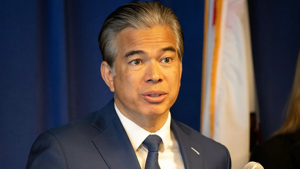
Dems sue over Trump’s executive order on mail-in ballots

GAO again warns Congress about nation’s ‘unsustainable fiscal path’

Millionaire’s tax proposal draws mixed reviews as deadline approaches

U.S. fighter jet shot down over Iran; frantic search and rescue underway

Universities warn state funding delays are wasting millions in taxpayer investment