Frankfort to Implement 1% Grocery Tax, Replacing State Levy to Preserve Revenue
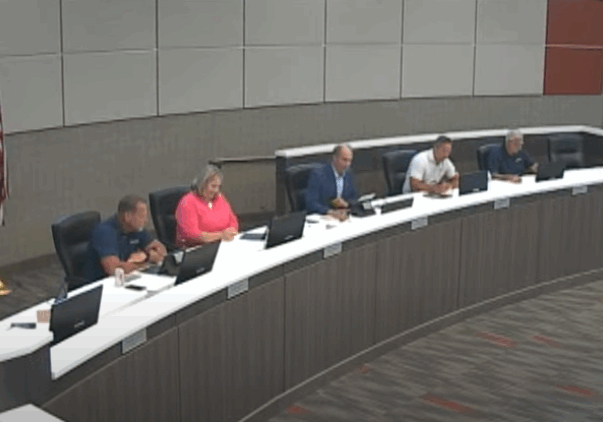
FRANKFORT – Frankfort residents will see no change at the grocery checkout line, but the village will preserve a key revenue stream after the Village Board approved an ordinance Monday to establish a 1% local tax on groceries, effective January 1, 2026.
The move is a direct response to the State of Illinois’s decision to repeal its 1% statewide sales tax on groceries as part of the Fiscal Year 2025 budget. The new legislation allows municipalities to implement their own 1% locally imposed tax to replace the lost revenue.
Trustee Eugene Savaria, who presented the ordinance, emphasized that the measure is not a new tax on consumers but a mechanism to retain existing funds.
“The proposed ordinance is not intended to impose any new tax beyond what consumers are currently paying,” Savaria said during the meeting. “Rather, it ensures that the village retains the existing revenue currently collected under the state’s grocery tax once the state eliminates its collections.”
For years, municipalities across Illinois have received a portion of the state-collected 1% tax on groceries. With the state tax set to expire, local governments faced a potential budget shortfall without the authority to replace it. The new law provides that authority, and Frankfort has joined other municipalities in acting to prevent a loss of funds.
The ordinance implements two separate but related taxes: the Municipal Grocery Retailers’ Occupation Tax and the Municipal Grocery Service Occupation Tax. This structure is required by state law to cover all applicable grocery sales and services within the village.
The Illinois Department of Revenue will continue to administer, collect, and enforce the tax on behalf of the village, ensuring a seamless transition from the state-levied tax to the local one. The ordinance required the Village Clerk to file a certified copy with the state’s Department of Revenue on or before October 1, 2025, to ensure the tax takes effect at the beginning of 2026.
The Village Board waived the first and second readings to pass the ordinance, indicating a consensus on the necessity of the action. The vote was unanimous among the trustees present.
Village officials believe adopting the ordinance is an appropriate and necessary step to maintain fiscal stability. The revenue collected is used to fund essential village services.
The ordinance will officially take effect on January 1, 2026, coinciding with the repeal of the state’s tax.
Showers And Thunderstorms Likely
Latest News Stories

‘We leave no American behind’: President Trump details Easter rescue of downed airman

Michigan charges dentist in alleged ‘massive’ Medicaid fraud scheme

Illinois bill sparks debate over police privacy vs. public access

Signature process begins to ban large data centers in Ohio

U.S. Supreme Court agrees to hear veteran’s benefits challenge

Supreme Court declines to hear challenge to Illinois public transport gun ban

Illinois Quick Hits: Report says Pekin Bowling Center ‘taxed out of business’
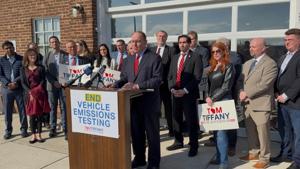
Tiffany vows to end subsidies for data centers in Wisconsin

JJC Trustee Alleges Board Exclusion, Discriminatory Policies During Tense Meeting

Firefighter age bill stalled despite union backing
County Board Members Pitch “Granny Flats,” Hobby Farm Zoning, and Farmland Mitigation in LRMP Brainstorm

Will County Board Approves Tax Abatement for $345 Million Hyundai Translead Project