Frankfort to Implement 1% Grocery Tax, Replacing State Levy to Preserve Revenue
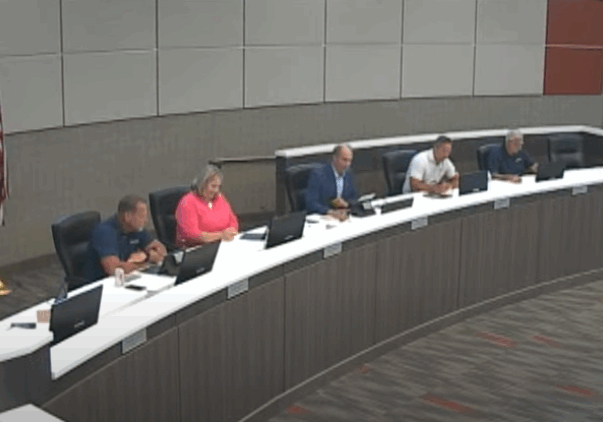
FRANKFORT – Frankfort residents will see no change at the grocery checkout line, but the village will preserve a key revenue stream after the Village Board approved an ordinance Monday to establish a 1% local tax on groceries, effective January 1, 2026.
The move is a direct response to the State of Illinois’s decision to repeal its 1% statewide sales tax on groceries as part of the Fiscal Year 2025 budget. The new legislation allows municipalities to implement their own 1% locally imposed tax to replace the lost revenue.
Trustee Eugene Savaria, who presented the ordinance, emphasized that the measure is not a new tax on consumers but a mechanism to retain existing funds.
“The proposed ordinance is not intended to impose any new tax beyond what consumers are currently paying,” Savaria said during the meeting. “Rather, it ensures that the village retains the existing revenue currently collected under the state’s grocery tax once the state eliminates its collections.”
For years, municipalities across Illinois have received a portion of the state-collected 1% tax on groceries. With the state tax set to expire, local governments faced a potential budget shortfall without the authority to replace it. The new law provides that authority, and Frankfort has joined other municipalities in acting to prevent a loss of funds.
The ordinance implements two separate but related taxes: the Municipal Grocery Retailers’ Occupation Tax and the Municipal Grocery Service Occupation Tax. This structure is required by state law to cover all applicable grocery sales and services within the village.
The Illinois Department of Revenue will continue to administer, collect, and enforce the tax on behalf of the village, ensuring a seamless transition from the state-levied tax to the local one. The ordinance required the Village Clerk to file a certified copy with the state’s Department of Revenue on or before October 1, 2025, to ensure the tax takes effect at the beginning of 2026.
The Village Board waived the first and second readings to pass the ordinance, indicating a consensus on the necessity of the action. The vote was unanimous among the trustees present.
Village officials believe adopting the ordinance is an appropriate and necessary step to maintain fiscal stability. The revenue collected is used to fund essential village services.
The ordinance will officially take effect on January 1, 2026, coinciding with the repeal of the state’s tax.
Slight Chance Showers And Thunderstorms
Latest News Stories

Teens charged after FBI says plot targeting Houston synagogue, school foiled

Regeneron joins pharmaceutical companies offering most-favored-nation pricing

AI polling: Americans aren’t as divided on declaration of American ideals
Tusler: Wisconsin tribes agreed to microbetting ban, self-exclusion practices

QatarEnergy exports first LNG from $10 billion Texas plant

Bears want more after Illinois House passes megaproject tax incentive bill

DHS wants millions more from taxpayers after federal SNAP changes

Minnesota updates lawsuit, cites $840M toll from Operation Metro Surge

Experts: Arizona law bars local policies restricting ICE
Illinois Millionaires Tax doesn’t get support
Pritzker bans insider trading by state employees, faces hypocrisy claims
House to take up GOP budget resolution next week