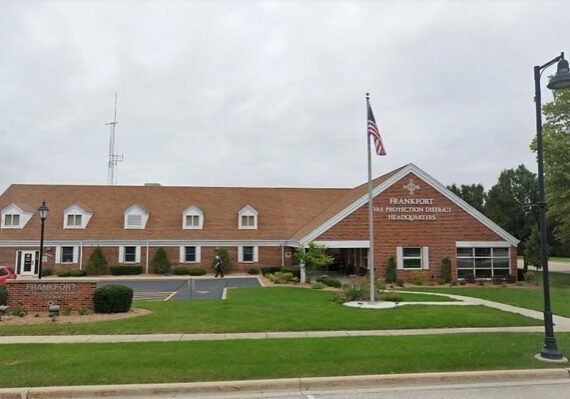
Frankfort Fire District Projects $350,000 Surplus, But Faces Capital Crunch for New Engine
Article Summary: The Frankfort Fire Protection District is on track to end the fiscal year with a $350,000 operating surplus, but officials warn that purchasing a much-needed new fire engine would create a $236,000 deficit in its capital fund. The mixed financial forecast highlights the district’s struggle to rebuild its capital savings while managing rising operational costs.
Frankfort Fire Protection District Budget Key Points:
-
The district projects a $350,000 operating surplus by the end of the fiscal year.
-
Purchasing a new fire engine would result in a $236,000 deficit in the capital purchases fund.
-
District revenue is up slightly, boosted by significant gains in bank interest, but ambulance fee collections are down.
-
Operating expenditures have increased, primarily due to wages and overtime costs.
FRANKFORT — While the Frankfort Fire Protection District is forecasting a healthy $350,000 operating surplus for the fiscal year, its ability to fund major equipment purchases remains a significant challenge, officials said during a special budget meeting on June 10.
District Accountant James Howard presented a positive financial picture for day-to-day operations, noting that revenue is on target and slightly up from the previous year, largely due to a significant increase in interest earned on the district’s CDs and money market accounts. However, this positive news was tempered by the stark reality of the capital fund.
Interim Fire Chief Paul Kinsella explained that the purchase of a new fire engine would plunge the capital purchases fund into a $236,000 deficit. “Capital savings are needed,” Kinsella stated, underscoring the district’s tight financial position for big-ticket items. To manage costs, Kinsella noted the district is using a lease-purchase plan for new Zoll Series Monitors.
Howard echoed the chief’s concerns, telling the Board of Trustees, “It will be a struggle to re-build the Capital account.”
The budget review revealed several contributing factors to the financial situation. On the revenue side, while interest income has been a bright spot, collections from ambulance fees are down, and EMS/MC collections have been lagging but are starting to improve. On the expense side, operating expenditures are up, driven by increases in wages and overtime. Howard noted that about 12% of the total budget is discretionary.
Trustee and President Nicholas Spano requested that monthly ambulance collection reports be made available to the trustees to better monitor the lagging revenue stream. In response to a question from Trustee Justin Lohrens, Kinsella also clarified that the district’s ambulance billing process has changed after its previous contractor, Andres, was bought out.

Sunny
Latest News Stories

Nebraska voters to elect party representatives

U.S. farmers struggling with high price of fuel, fertilizer as bankruptcies rise

Trump, Xi meeting to be packed with slew of hot topics

Green Garden Solar Farm Approved in Split Vote; Battery Storage Component Rejected
Bill to expel students over sexual assault progresses in Springfield

Viral goose egg case fuels debate over abortion
Another U.S.-Canada border bust: Gun smuggling operation

More than 200 children rescued, 350 child sex offenders arrested in one month

Trump budget targets ‘valley of death’ with new military contractor accountability model

Nonprofit flies troops home for milestones they can’t afford to miss

Report: 2025 third most violent year on record for American Jews

Meeting Summary and Briefs: Joliet Junior College Board of Trustees for April 15, 2026
International human smuggling ring exploiting Canadian visa system thwarted by US