Frankfort Approves $1.3 Million in Bills, Including Annual Insurance Payment
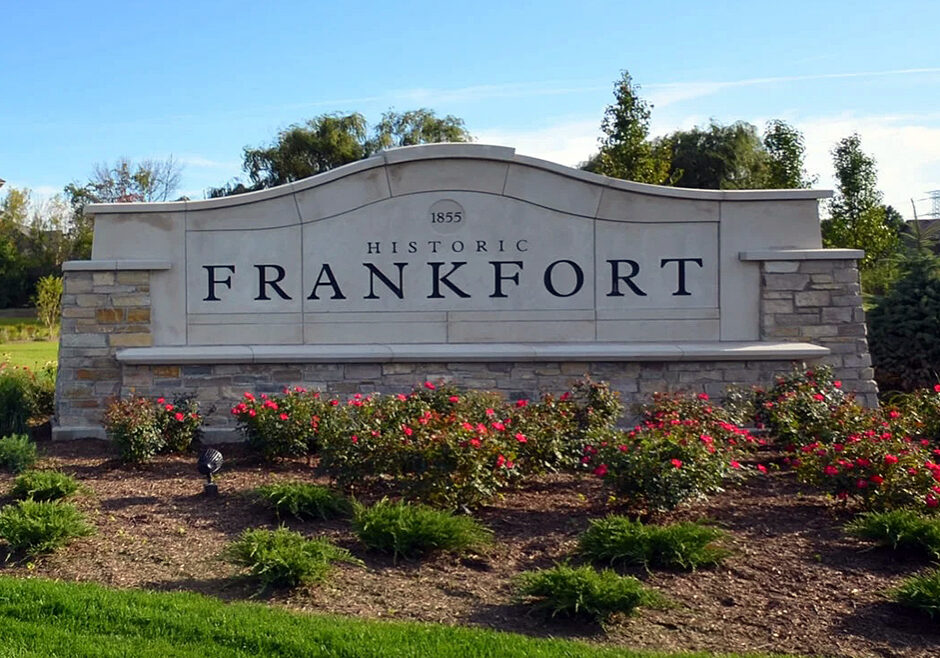
The Frankfort Village Board authorized over $1.3 million in payments at its meeting Monday, with nearly half of the total amount covering the village’s annual insurance premiums.
Trustees unanimously approved the schedule of bills totaling $1,308,224.37. Trustee Adam Borrelli explained the composition of the substantial figure, highlighting the largest single expenditure.
“About half of that is our payment to SWARM, which is our basically our insurance payment for general liability, property, and workman’s comp,” Borrelli said. “And that total is $645,490, and again that payment is for the entire year.”
The remainder of the approved bills covered operational costs across several village funds. According to the meeting’s financial documents, disbursements included $784,236.59 from the General Corporate Fund, $236,909.37 from the Capital Development Fund, $238,533.06 for Sewer and Water Operations and Maintenance, and $48,545.35 from the Sewer and Water Extension Fund.
The approval of the bills was part of the board’s unanimous consent agenda, which includes routine items that are passed in a single vote without separate discussion.
Mostly Sunny
Latest News Stories

Meeting Summary and Briefs: Will County Board Public Health & Safety Committee for January 7, 2026

Trump reverses on prolife commitments ahead of midterm elections

Vance’s tie-breaking vote tanks resolution restricting Venezuela military actions

Federal court upholds California congressional redistricting

Supreme Court ruling allows Bost to challenge Illinois election law

Illinois quick hits: Illinois auto insurance rates dropping

SCOTUS rules on warrantless searches, double convictions and election suits

WATCH: Legislator raises red flag over Illinois tax funds for group encouraging ICE protests

Bill filed to address loss of homes, equity over property tax debt

Illinois congresswoman files impeachment articles against Noem

U.S. Supreme Court allows IL rep to sue over late ballots

IL advocates warn permanent mail-in ballots could be exploited